Understanding Different Fence Types
Choosing the right type of fence is crucial for achieving both aesthetic appeal and functionality. Common types include wood, vinyl, aluminum, and chain-link fences, each offering unique benefits and drawbacks. Understanding these differences helps homeowners make informed decisions based on their specific needs.
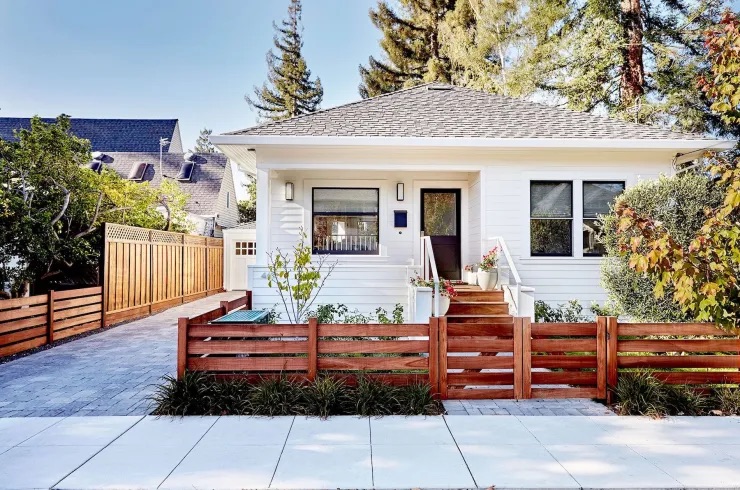
For instance, wooden fences provide a classic look and can be customized to fit various styles, while vinyl fences offer low maintenance and durability. Aluminum fences are ideal for security without obstructing views, and chain-link fences are a cost-effective solution for property boundaries. Evaluating these options ensures that you select a fence that aligns with your preferences and requirements.
Factors to Consider When Choosing a Fence
Several critical factors should influence your fence selection process. These include the purpose of the fence, local zoning laws, climate conditions, and your budget. Understanding these elements will help you narrow down your choices and select a fence that meets your needs.
For example, if your primary goal is privacy, a tall wooden or vinyl fence might be the best choice. Conversely, if you're looking for security, a chain-link fence with barbed wire could be more appropriate. Additionally, checking with local regulations can prevent potential legal issues, ensuring your fence complies with community standards.
Installation Options and Considerations
Once you've selected your ideal fence, the next step is to consider installation options. Homeowners can choose to install the fence themselves or hire a professional service. Each option has its advantages and drawbacks, depending on your skill level and the complexity of the project.
If you opt for a DIY installation, it's essential to research proper techniques and gather the necessary tools. However, hiring professionals can save time and ensure that the fence is installed correctly, adhering to local codes. This choice can also provide peace of mind, knowing that the job will be done right the first time.
Maintenance Tips for Longevity
To ensure your fence remains in excellent condition over the years, regular maintenance is essential. Different materials require various upkeep methods, so understanding these needs will prolong the life of your fence.
For instance, wooden fences should be stained or sealed every few years to protect against rot and weather damage, while vinyl fences typically require only occasional cleaning with soap and water. By following appropriate maintenance practices, you can enhance the durability and appearance of your fence, ensuring it serves its purpose effectively for many years.