
by Tristan Simmons | Sep 15, 2023 | Vinyl Fencing - Category
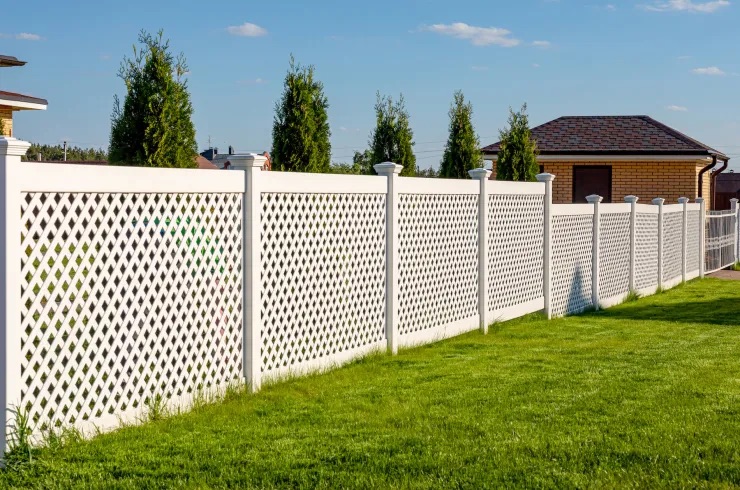
When it comes to fencing materials, vinyl has emerged as a versatile and popular choice that offers a range of benefits for homeowners. Modern advancements have led to a wide array of options in vinyl fencing, making it an appealing solution for those seeking...Fencing is an essential aspect of home improvement, offering security, privacy, and aesthetic appeal. Understanding the various types of fencing solutions available can help homeowners make informed decisions that align with their specific needs and preferences.
This guide covers different materials such as wood, vinyl, aluminum, and chain-link, detailing their unique benefits, maintenance requirements, and cost-effectiveness. By exploring these options, homeowners can choose a fencing solution that enhances their property while providing the necessary functionality.
Vinyl fencing stands out for its durability and low maintenance, making it a popular choice among homeowners. Unlike traditional wood fencing, vinyl does not rot, warp, or require regular painting, allowing for a long-lasting investment.
Additionally, vinyl fencing is available in a variety of styles and colors, enabling homeowners to customize their outdoor spaces. It is also resistant to fading and can withstand harsh weather conditions, ensuring that it retains its appearance over the years.
When selecting a fencing material, it's crucial to consider factors such as durability, cost, and aesthetic appeal. Each material has its pros and cons, and understanding these can guide homeowners in making the best choice for their property.
For instance, while wood offers a classic look, it requires regular maintenance. On the other hand, metal fences provide strength and security but may be more expensive upfront. Vinyl, as previously mentioned, offers a balance of affordability and longevity, making it an attractive option for many homeowners.
Proper installation is key to ensuring the longevity and effectiveness of your fence. Homeowners should consider hiring professionals for installation to avoid common pitfalls and ensure compliance with local regulations.
However, if opting for a DIY approach, it’s important to follow manufacturer guidelines, measure accurately, and check for underground utilities before digging. Additionally, planning for proper drainage and ensuring the fence is level can contribute to a successful installation.
Fencing is an essential aspect of home improvement, offering security, privacy, and aesthetic appeal. Understanding the various types of fencing solutions available can help homeowners make informed decisions that align with their specific needs and preferences.
This guide covers different materials such as wood, vinyl, aluminum, and chain-link, detailing their unique benefits, maintenance requirements, and cost-effectiveness. By exploring these options, homeowners can choose a fencing solution that enhances their property while providing the necessary functionality.
Vinyl fencing stands out for its durability and low maintenance, making it a popular choice among homeowners. Unlike traditional wood fencing, vinyl does not rot, warp, or require regular painting, allowing for a long-lasting investment.
Additionally, vinyl fencing is available in a variety of styles and colors, enabling homeowners to customize their outdoor spaces. It is also resistant to fading and can withstand harsh weather conditions, ensuring that it retains its appearance over the years.
When selecting a fencing material, it's crucial to consider factors such as durability, cost, and aesthetic appeal. Each material has its pros and cons, and understanding these can guide homeowners in making the best choice for their property.
For instance, while wood offers a classic look, it requires regular maintenance. On the other hand, metal fences provide strength and security but may be more expensive upfront. Vinyl, as previously mentioned, offers a balance of affordability and longevity, making it an attractive option for many homeowners.
Proper installation is key to ensuring the longevity and effectiveness of your fence. Homeowners should consider hiring professionals for installation to avoid common pitfalls and ensure compliance with local regulations.
However, if opting for a DIY approach, it’s important to follow manufacturer guidelines, measure accurately, and check for underground utilities before digging. Additionally, planning for proper drainage and ensuring the fence is level can contribute to a successful installation.