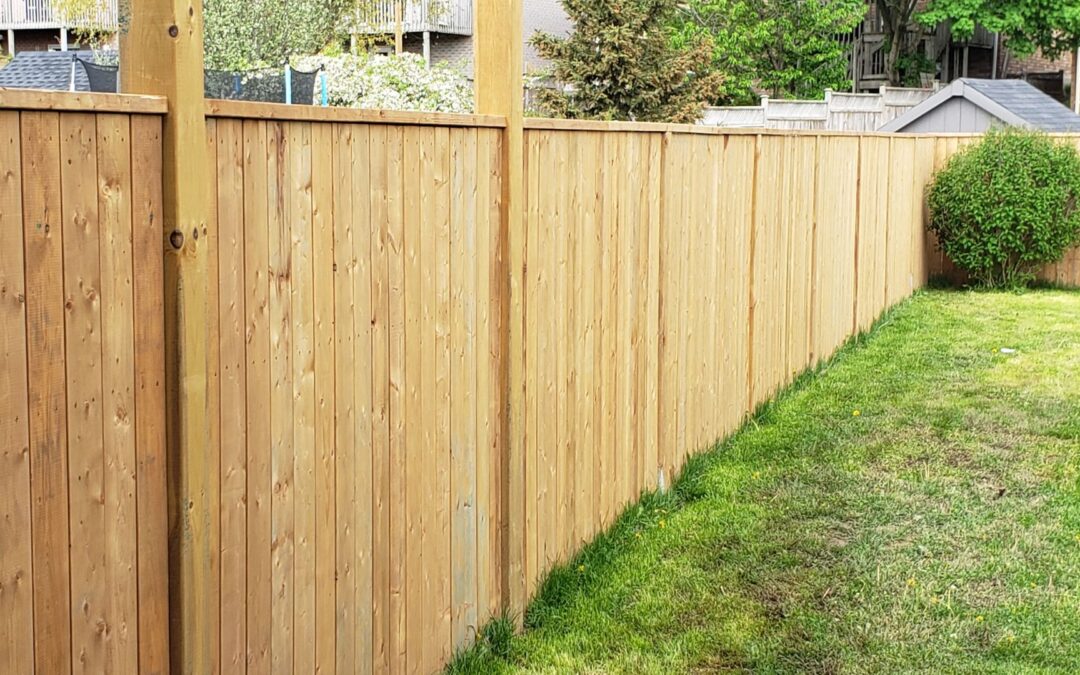
Understanding Privacy Fences
Privacy fences are structures designed to provide seclusion and security for residential and commercial properties. They serve as barriers that prevent outsiders from easily observing the activities within a property, which can be particularly valuable in busy neighborhoods or commercial areas.
These fences come in various materials, including wood, vinyl, and metal, each offering distinct aesthetics and levels of privacy. Homeowners often choose privacy fences to create a personal oasis in their backyards, shield their properties from noise, and enhance the overall appearance of their home.
Benefits of Installing a Privacy Fence
Installing a privacy fence can significantly enhance the quality of life for homeowners and business owners alike. One of the primary benefits is the increased sense of security it provides, deterring potential intruders and unwanted visitors.
Moreover, privacy fences can also help reduce noise pollution from nearby streets or neighbors, allowing for a more peaceful environment. They can add value to a property, making it more appealing to potential buyers who prioritize privacy and security.
Choosing the Right Material for Your Privacy Fence
When selecting a privacy fence, the material plays a crucial role in durability, maintenance, and aesthetics. Common materials include wood, which offers a natural look but requires regular upkeep, and vinyl, which is low-maintenance and available in various styles.
Metal fences, such as aluminum or wrought iron, provide a robust option with a modern appeal but may not offer complete privacy unless combined with other materials. Each material has its pros and cons, and understanding these can help homeowners make informed decisions that align with their needs and budget.
Installation Tips for Privacy Fences
Proper installation of a privacy fence is essential to ensure its longevity and effectiveness. It is advisable to check local zoning laws and homeowners association regulations before installation to avoid potential legal issues.
Additionally, hiring a professional contractor can ensure that the fence is installed correctly, with attention to detail regarding depth, alignment, and stability. DIY enthusiasts should follow best practices for measuring and securing posts to ensure a sturdy and visually appealing fence.