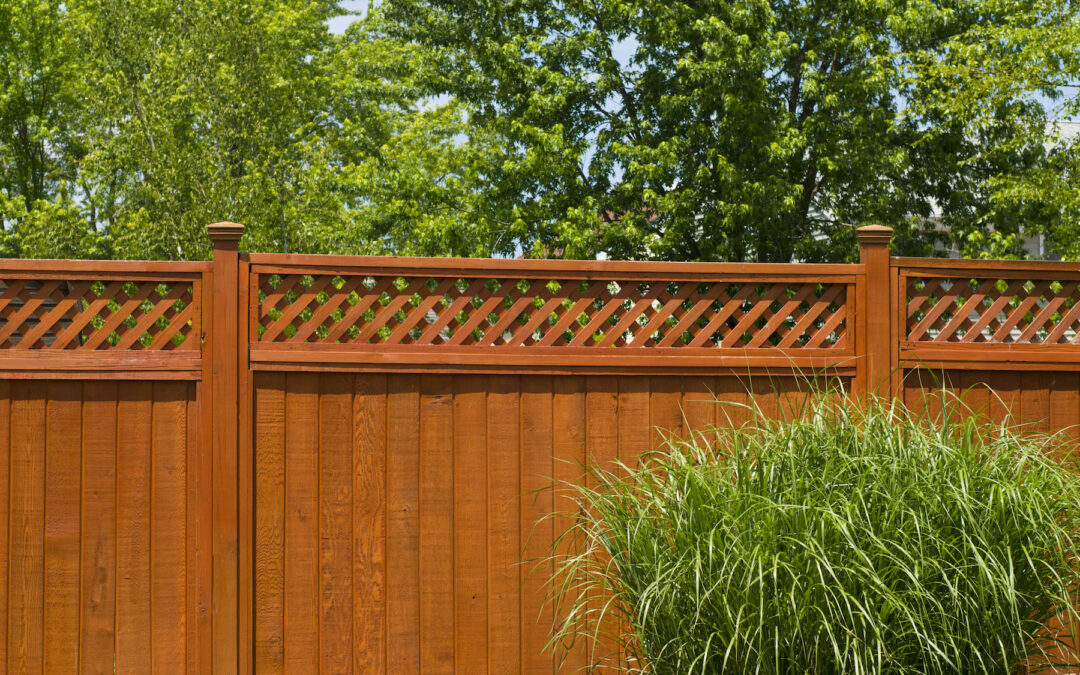
Understanding Wood Fence Materials
Choosing the right materials is crucial for the longevity of your wood fence. Different types of wood, such as cedar, redwood, and pressure-treated pine, offer varying degrees of durability and resistance to weathering.
For example, cedar is naturally resistant to decay and insects, making it a popular choice for outdoor fencing. On the other hand, pressure-treated pine is often more affordable but requires regular maintenance to prevent rot and warping.
Essential Tools for Fence Installation
Having the right tools at your disposal can significantly enhance the efficiency of your fence installation process. Key tools include a post hole digger, level, measuring tape, and a saw for cutting wood to size.
Using a level ensures that your fence is straight and properly aligned, while a post hole digger helps create deep and stable holes for posts. Investing in quality tools can lead to a more professional finish and reduce the risk of future repairs.
Common Mistakes in Fence Installation
Many homeowners make critical errors during fence installation that can lead to costly repairs down the line. One common mistake is failing to check local zoning laws and regulations, which can result in fines or the need to remove the fence.
Another frequent issue is inadequate post depth; posts that are not buried deep enough can lead to instability and leaning over time. Understanding these pitfalls can help ensure a successful installation and a longer-lasting fence.
Maintenance Tips for Wood Fences
Regular maintenance is essential to extend the life of your wood fence. This includes cleaning the fence annually to remove dirt, mold, and mildew, which can deteriorate the wood over time.
Additionally, applying a protective sealant every few years helps to shield the wood from moisture and UV damage. Taking these proactive steps can significantly enhance the durability and appearance of your fence.