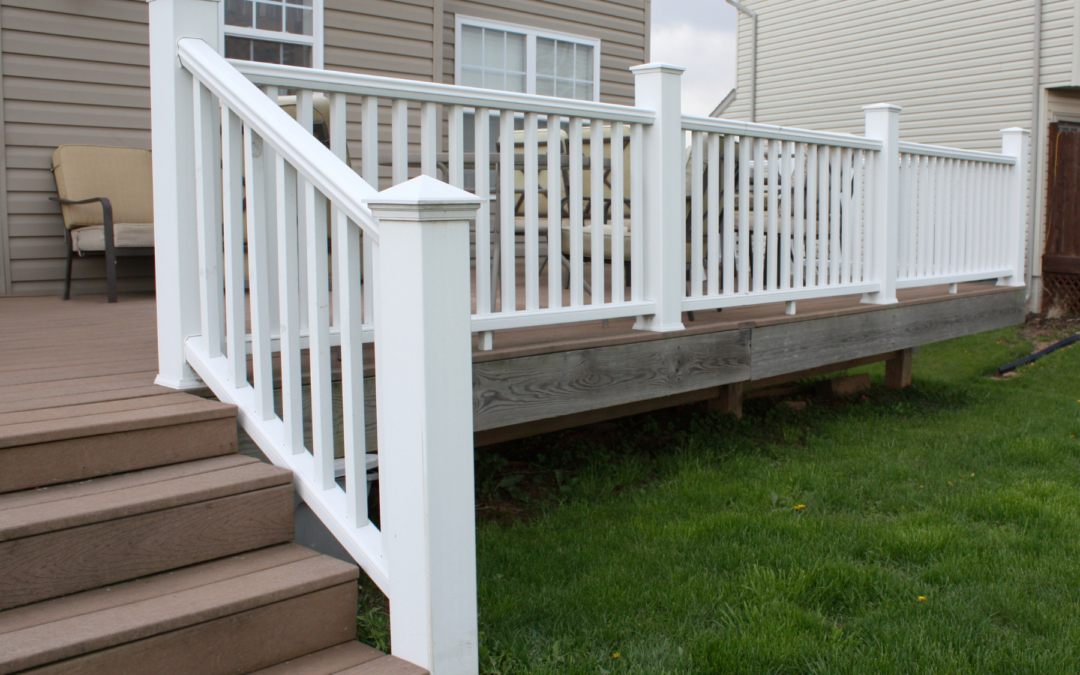
Understanding Deck Railing Materials
When selecting materials for your deck railing, it's essential to understand the various options available. Each material comes with its own set of benefits and drawbacks, influencing not only the aesthetics of your deck but also its safety and durability.
Common materials for deck railings include wood, metal, vinyl, and composite. For instance, wood offers a natural look but requires regular maintenance, while metal railings are known for their strength and longevity. Vinyl provides a low-maintenance alternative, and composite materials combine the best features of wood and plastic, offering both durability and visual appeal.
Factors to Consider When Choosing Deck Railing
Several factors should guide your decision when selecting deck railing materials. These include your budget, the style of your home, and the climate in your area, which can affect the longevity of certain materials.
For example, if you live in a coastal area, you might want to avoid materials that rust easily, such as certain metals. Alternatively, if you're looking for a cost-effective solution, wood might be your best bet, but be prepared for ongoing upkeep to prevent rot and decay.
Safety Standards for Deck Railings
Safety is paramount when it comes to deck railings, as they play a crucial role in preventing falls. Familiarizing yourself with local building codes and safety standards is essential to ensure that your deck railing complies with regulations.
Most building codes require railings to be a minimum height of 36 to 42 inches and to withstand a certain amount of force. Additionally, the spacing between balusters should be narrow enough to prevent children from slipping through, typically no more than 4 inches apart.
Maintenance Tips for Deck Railings
Proper maintenance is vital to prolong the lifespan of your deck railing. Different materials require different care, so understanding the specific needs of your chosen material is essential.
For wood railings, regular staining or sealing can help protect against moisture and UV damage. Metal railings may need periodic inspections for rust, while vinyl railings can be easily cleaned with soap and water. Composite materials usually require minimal maintenance, making them a popular choice for busy homeowners.