
by Tristan Simmons | Apr 15, 2024 | Life Style
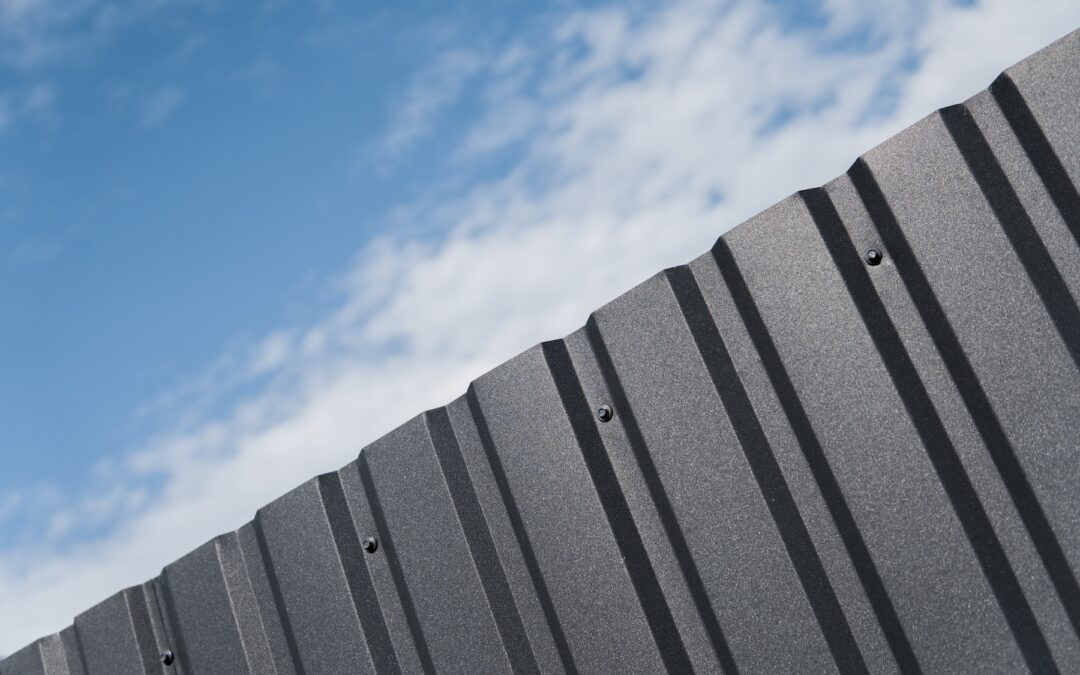
Aluminum fencing is an excellent choice for homeowners seeking durability, low maintenance, and aesthetic appeal. Its sleek design and resistance to rust make it a popular option for both residential and commercial properties. However, like any outdoor feature,...Rust is a common concern for many homeowners, especially those with outdoor features like aluminum fencing. While aluminum does not rust in the traditional sense, it can corrode when exposed to moisture and certain environmental conditions. Understanding how rust can affect your fencing is essential in maintaining its integrity and appearance.
Corrosion in aluminum can manifest as white powdery deposits or dulling of the surface. Factors such as proximity to saltwater, humidity, and lack of protective coatings can accelerate this process. Regular inspections and maintenance can help identify early signs of corrosion, allowing homeowners to take corrective actions before significant damage occurs.
Taking proactive steps to protect your aluminum fencing from rust and corrosion is crucial for its longevity. Regular cleaning, applying protective coatings, and ensuring proper drainage around the fence can significantly reduce the risk of corrosion.
For instance, using a mild detergent and water to clean your fence every few months can help remove dirt and debris that trap moisture. Additionally, applying a suitable sealant or protective finish can create a barrier against the elements, enhancing the fence's durability and aesthetic appeal.
There are several misconceptions about maintaining aluminum fencing that can lead to improper care and premature deterioration. One common myth is that aluminum fencing requires no maintenance at all, which can result in neglect and eventual corrosion.
In reality, while aluminum is more resistant to rust than other materials, it still requires regular upkeep. This includes cleaning, inspecting for damage, and applying protective measures. Understanding these myths can help homeowners make informed decisions about their fencing maintenance practices.
While many homeowners can perform basic maintenance on their aluminum fencing, there are times when professional assistance is necessary. If you notice significant corrosion, structural damage, or if your fence requires extensive repairs, it may be time to consult with a fencing expert.
Professionals can provide a thorough assessment of your fencing condition and recommend appropriate solutions. They can also offer services such as re-coating, repairs, or even complete replacements, ensuring that your fencing remains both functional and visually appealing.
Rust is a common concern for many homeowners, especially those with outdoor features like aluminum fencing. While aluminum does not rust in the traditional sense, it can corrode when exposed to moisture and certain environmental conditions. Understanding how rust can affect your fencing is essential in maintaining its integrity and appearance.
Corrosion in aluminum can manifest as white powdery deposits or dulling of the surface. Factors such as proximity to saltwater, humidity, and lack of protective coatings can accelerate this process. Regular inspections and maintenance can help identify early signs of corrosion, allowing homeowners to take corrective actions before significant damage occurs.
Taking proactive steps to protect your aluminum fencing from rust and corrosion is crucial for its longevity. Regular cleaning, applying protective coatings, and ensuring proper drainage around the fence can significantly reduce the risk of corrosion.
For instance, using a mild detergent and water to clean your fence every few months can help remove dirt and debris that trap moisture. Additionally, applying a suitable sealant or protective finish can create a barrier against the elements, enhancing the fence's durability and aesthetic appeal.
There are several misconceptions about maintaining aluminum fencing that can lead to improper care and premature deterioration. One common myth is that aluminum fencing requires no maintenance at all, which can result in neglect and eventual corrosion.
In reality, while aluminum is more resistant to rust than other materials, it still requires regular upkeep. This includes cleaning, inspecting for damage, and applying protective measures. Understanding these myths can help homeowners make informed decisions about their fencing maintenance practices.
While many homeowners can perform basic maintenance on their aluminum fencing, there are times when professional assistance is necessary. If you notice significant corrosion, structural damage, or if your fence requires extensive repairs, it may be time to consult with a fencing expert.
Professionals can provide a thorough assessment of your fencing condition and recommend appropriate solutions. They can also offer services such as re-coating, repairs, or even complete replacements, ensuring that your fencing remains both functional and visually appealing.