Understanding Different Fence Materials
When selecting a fence for your property, it's essential to understand the various materials available. Each type of fencing material offers unique benefits and drawbacks, which can significantly impact your choice based on your specific needs and preferences.
Common materials include wood, vinyl, aluminum, and chain link. For instance, wood provides a classic aesthetic and can be customized easily, while vinyl is known for its durability and low maintenance. Understanding these differences will help you make an informed decision that aligns with your style and budget.
Factors to Consider When Choosing a Fence
Choosing the right fence involves evaluating multiple factors that go beyond mere aesthetics. Considerations such as local regulations, property lines, and the purpose of the fence—whether for privacy, security, or decorative purposes—play a crucial role in your decision-making process.
Additionally, think about your lifestyle and maintenance preferences. For example, if you have pets or children, a sturdy and secure fence might be a priority. On the other hand, if you live in a community with strict guidelines, you may need to choose materials and styles that comply with local zoning laws.
Popular Fence Styles for Residential Properties
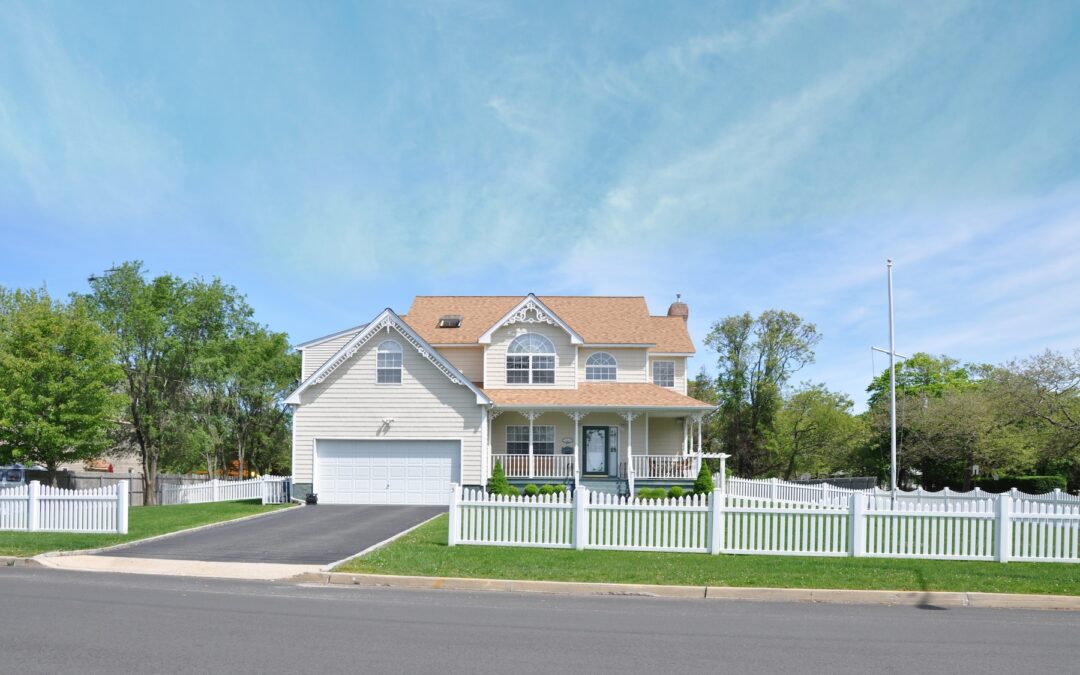
Residential fencing comes in various styles that can enhance the overall look of your home while providing necessary functionality. From traditional picket fences to modern privacy fences, each style serves a unique purpose and can complement different architectural designs.
For example, a picket fence is often used for its charming appeal in suburban neighborhoods, while a tall privacy fence can create a secluded backyard oasis. Understanding the different styles available can help you choose one that not only meets your needs but also enhances your home's curb appeal.
Maintenance Tips for Your Fence
Proper maintenance is crucial for extending the life of your fence and ensuring it remains visually appealing. Regular inspections, cleaning, and timely repairs can prevent minor issues from escalating into costly replacements.
For instance, wood fences may require annual staining or sealing to protect against moisture and pests, while vinyl fences can be cleaned with soap and water to maintain their appearance. Knowing how to care for your specific fence type will help you keep it in optimal condition for years to come.