Benefits of Installing a Fence for Your Home
Installing a fence around your property offers numerous benefits, including enhanced security, privacy, and aesthetic appeal. A well-chosen fence can act as a barrier against intruders, providing peace of mind for homeowners, while also defining property boundaries and creating a more inviting outdoor space.
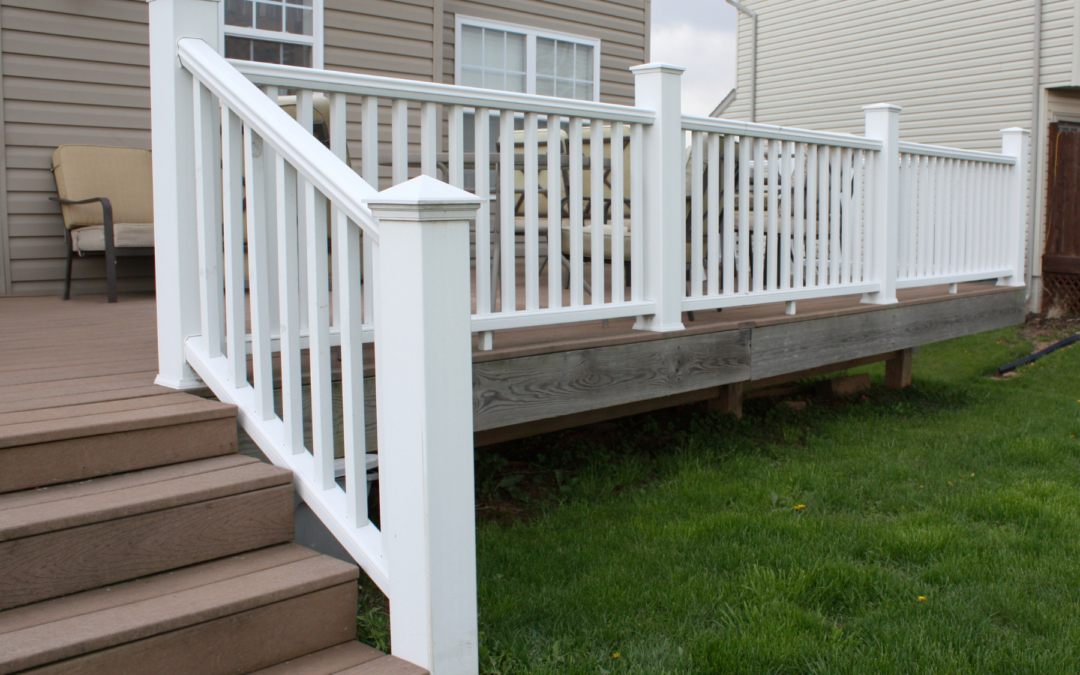
In addition to security and privacy, fences can also increase property value. For instance, a beautifully designed wooden fence can complement landscaping and improve curb appeal, making the home more attractive to potential buyers. Moreover, certain types of fencing, like vinyl or aluminum, require minimal maintenance, making them a practical choice for busy homeowners.
Common Mistakes to Avoid When Installing a Fence
When it comes to fence installation, avoiding common pitfalls can save homeowners both time and money. One of the most frequent mistakes is failing to check local zoning laws and regulations, which can result in fines or the need to remove the fence. Additionally, not considering the terrain or soil type can lead to structural issues down the line.
Another common error is underestimating the importance of quality materials. Opting for cheaper options may seem cost-effective initially, but inferior materials can lead to quicker deterioration. Investing in durable materials, such as treated wood or high-quality vinyl, can ensure longevity and reduce long-term maintenance costs.
How to Choose the Right Fence Style for Your Home
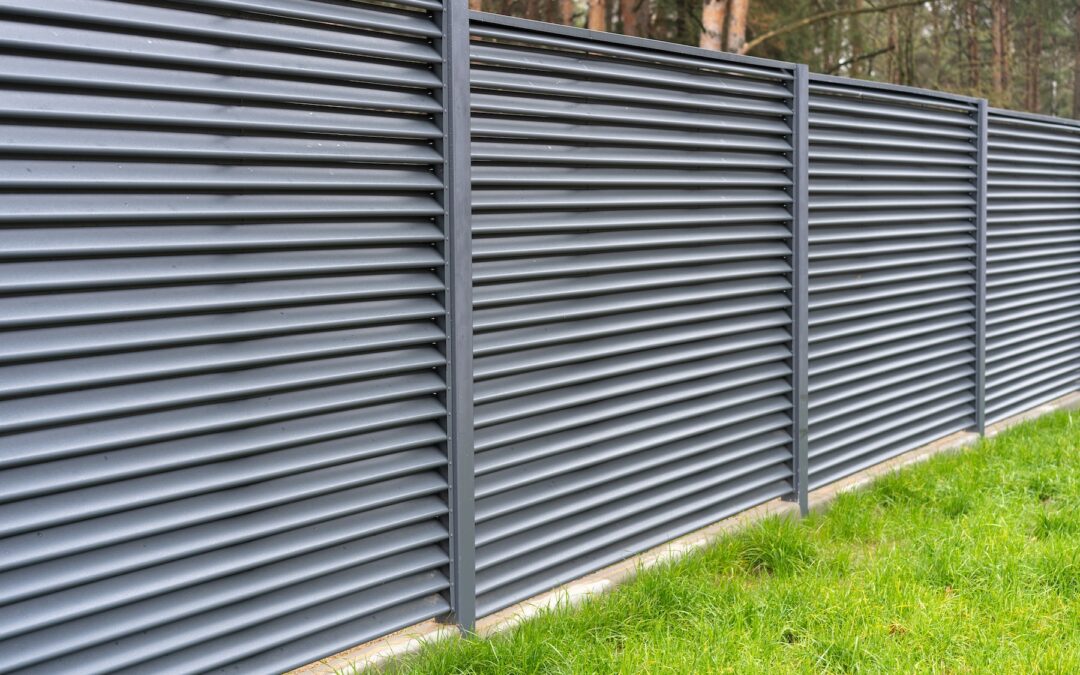
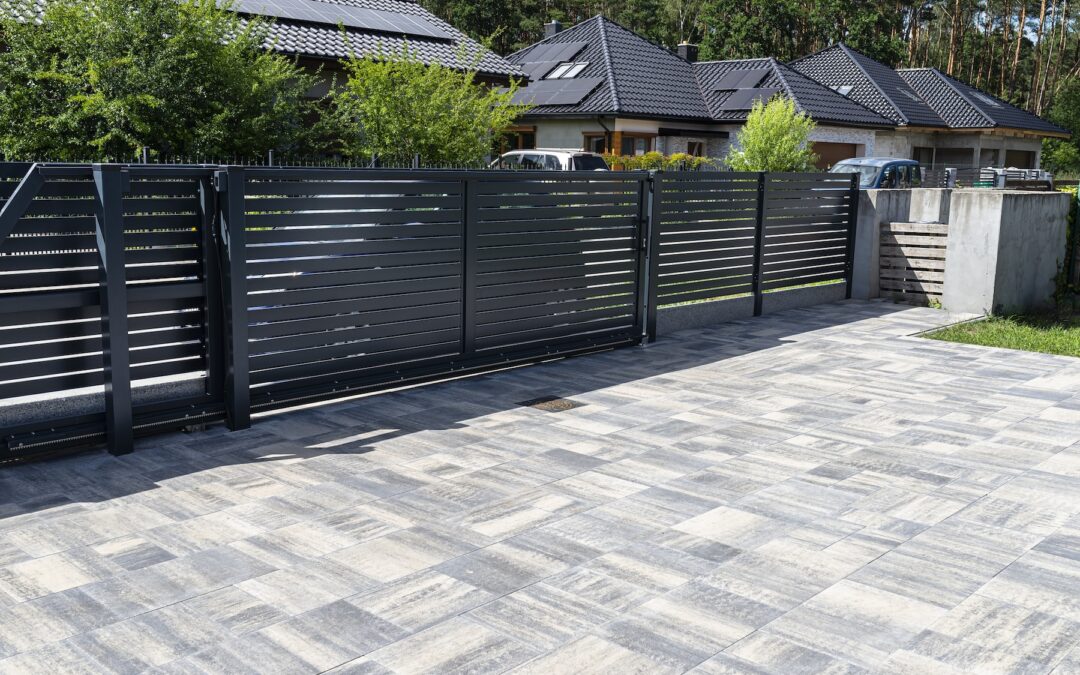
Selecting the right fence style is crucial for achieving the desired look and functionality for your property. Homeowners should consider the architectural style of their home, as well as the purpose of the fence. For example, a picket fence may suit a traditional home, while a modern horizontal fence might complement contemporary architecture.
Additionally, it's important to think about the surrounding landscape and neighborhood aesthetics. A cohesive look can enhance the overall appeal of the property. Homeowners can also explore various materials and colors to find a style that reflects their personal taste while meeting practical needs, such as security or pet containment.
Maintenance Tips for Different Types of Fencing
Regular maintenance is essential to prolong the life of any fencing material. For wooden fences, routine inspections for signs of rot or insect damage are crucial, along with periodic staining or sealing to protect against moisture. On the other hand, vinyl fences require less upkeep, though occasional cleaning with soap and water can keep them looking pristine.
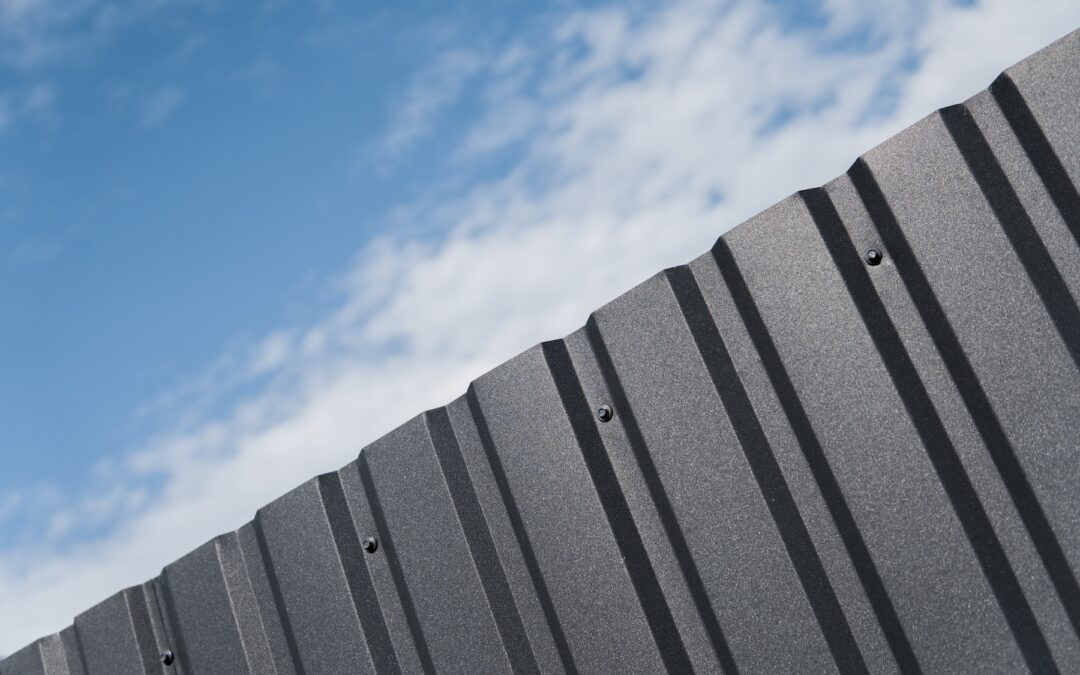
Metal fences, such as aluminum or wrought iron, should be checked for rust and may need repainting every few years to maintain their appearance and integrity. Each type of fencing has its unique care requirements, and understanding these can help homeowners make informed decisions about maintenance schedules and necessary repairs.