

by Tristan Simmons | Nov 15, 2023 | Life Style
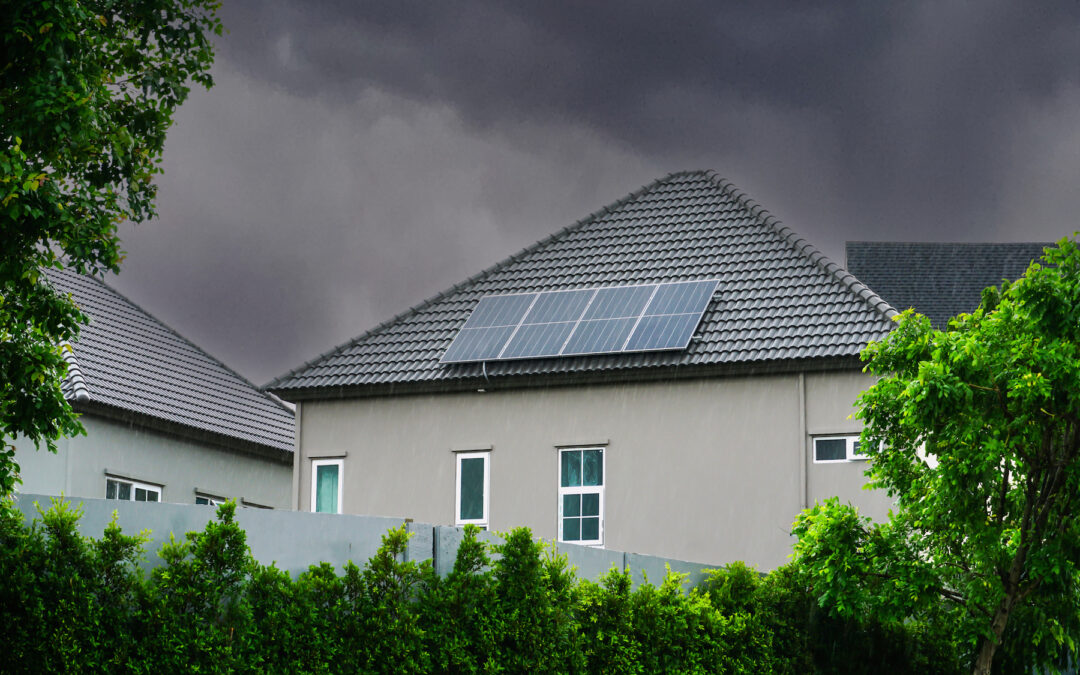
Fences serve many functions. They beautify and add privacy. They protect your children while keeping out unwanted animals and people. However, they’re susceptible to storm damage and if you live in Florida, you know that we’re at risk for everything from severe...
by Tristan Simmons | Jul 14, 2023 | Fence Installation - Category
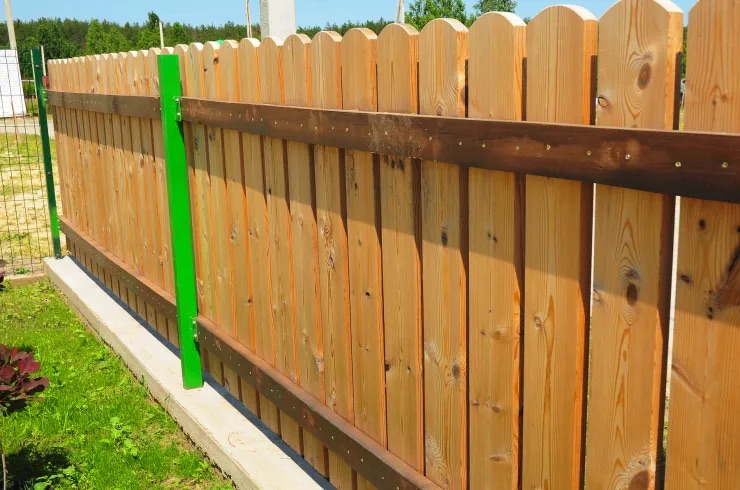
If you’ve scheduled a fence installation, you’re likely excited to have the work done so you can enjoy the new structure and what it offers your property. Selecting the right fence installation company is an important step, but you also want to prepare so you can be...Installing a fence offers numerous benefits for homeowners, including enhanced security, privacy, and aesthetic appeal. A well-chosen fence can serve as a barrier against intruders, provide a safe play area for children and pets, and increase the overall value of your property.
Moreover, different types of fences can complement various architectural styles, allowing homeowners to express their personal taste. For instance, a classic white picket fence can evoke a traditional charm, while a modern metal fence may add a sleek, contemporary look to your home.
When it comes to fencing, several materials are commonly used, each with its own advantages and disadvantages. Wood, vinyl, chain link, and wrought iron are popular choices, with wood offering a natural look, vinyl providing low maintenance, chain link being cost-effective, and wrought iron delivering durability and elegance.
Understanding the properties of these materials can help homeowners make informed decisions based on their specific needs, such as climate considerations, desired longevity, and budget constraints. For example, treated wood is often recommended for areas with high moisture to prevent rot.
Regular maintenance is crucial to prolonging the lifespan of your fence. This includes routine inspections for damage, cleaning to remove dirt and debris, and applying protective coatings when necessary. Each material has specific maintenance requirements that should be followed to ensure durability.
For instance, wooden fences may need to be stained or sealed every few years, while vinyl fences can often be cleaned with soap and water. Understanding these maintenance needs can help homeowners avoid costly repairs and keep their fences looking great for years to come.
Selecting the ideal fence for your property involves considering several factors, including purpose, style, and local regulations. Homeowners should assess their primary reasons for installing a fence, such as security, privacy, or aesthetic enhancement, to guide their choice.
Additionally, local zoning laws and homeowners' association regulations may dictate specific height and style restrictions. Consulting with professionals or researching local guidelines can ensure that your chosen fence complies with all necessary standards while meeting your personal preferences.
Installing a fence offers numerous benefits for homeowners, including enhanced security, privacy, and aesthetic appeal. A well-chosen fence can serve as a barrier against intruders, provide a safe play area for children and pets, and increase the overall value of your property.
Moreover, different types of fences can complement various architectural styles, allowing homeowners to express their personal taste. For instance, a classic white picket fence can evoke a traditional charm, while a modern metal fence may add a sleek, contemporary look to your home.
When it comes to fencing, several materials are commonly used, each with its own advantages and disadvantages. Wood, vinyl, chain link, and wrought iron are popular choices, with wood offering a natural look, vinyl providing low maintenance, chain link being cost-effective, and wrought iron delivering durability and elegance.
Understanding the properties of these materials can help homeowners make informed decisions based on their specific needs, such as climate considerations, desired longevity, and budget constraints. For example, treated wood is often recommended for areas with high moisture to prevent rot.
Regular maintenance is crucial to prolonging the lifespan of your fence. This includes routine inspections for damage, cleaning to remove dirt and debris, and applying protective coatings when necessary. Each material has specific maintenance requirements that should be followed to ensure durability.
For instance, wooden fences may need to be stained or sealed every few years, while vinyl fences can often be cleaned with soap and water. Understanding these maintenance needs can help homeowners avoid costly repairs and keep their fences looking great for years to come.
Selecting the ideal fence for your property involves considering several factors, including purpose, style, and local regulations. Homeowners should assess their primary reasons for installing a fence, such as security, privacy, or aesthetic enhancement, to guide their choice.
Additionally, local zoning laws and homeowners' association regulations may dictate specific height and style restrictions. Consulting with professionals or researching local guidelines can ensure that your chosen fence complies with all necessary standards while meeting your personal preferences.