American Fence and Railing
  • Home
  • About Us
  • Fence Types
    • Vinyl Fence
    • Aluminum Fence
    • Wood Fence
  • Fence Financing
  • Blogs
  • Contact Us
  • Call for a Free Quote
Select Page
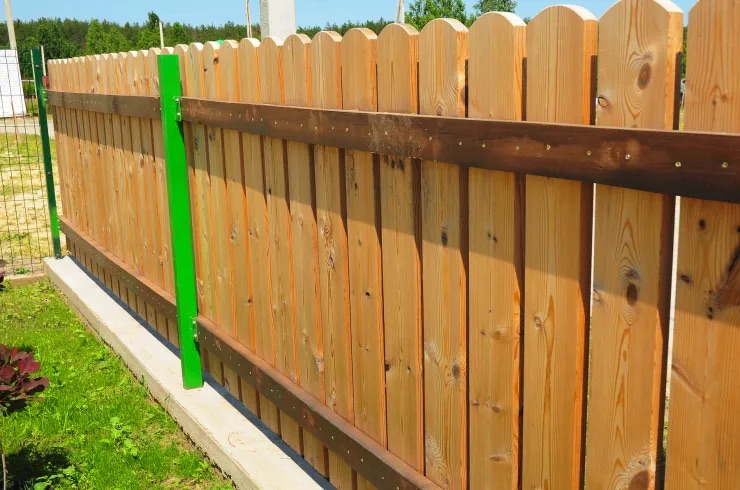
Wooden fence panels with a green post, showcasing a clean and well-maintained fence installation suitable for residential properties.

Tips to Prepare for Your Fence Installation

by Tristan Simmons | Jul 14, 2023 | Fence Installation - Category

If you’ve scheduled a fence installation, you’re likely excited to have the work done so you can enjoy the new structure and what it offers your property. Selecting the right fence installation company is an important step, but you also want to prepare so you can be...

  • Facebook
  • Instagram
Serving all of Jacksonville, Green Cove Springs, Saint Johns, St. Augustine | © 2025 American Fence and Railing. All Rights Reserved.

Comprehensive Guide to Fence Installation

This guide provides a thorough overview of the entire fence installation process, from initial planning to final touches. Understanding each step can help homeowners feel more confident and prepared as they embark on their fencing project.

From selecting the right materials to understanding local regulations, this guide covers essential topics that ensure a smooth installation experience. Homeowners can benefit from detailed insights on measuring their yard, choosing fence styles, and hiring professional installers.

Choosing the Right Materials for Your Fence

Selecting the appropriate materials for your fence is crucial for durability and aesthetic appeal. Different materials, such as wood, vinyl, and metal, offer various benefits and drawbacks that homeowners should consider based on their specific needs.

For instance, wood provides a classic look and can be customized easily, while vinyl is low-maintenance and resistant to weather damage. Understanding the pros and cons of each material can help homeowners make an informed decision that aligns with their budget and style preferences.

Understanding Local Regulations and Permits

Before starting a fence installation, it's essential to be aware of local regulations and permit requirements. Many municipalities have specific codes regarding fence height, placement, and materials, which can affect your project.

Homeowners should consult their local zoning office to ensure compliance and avoid potential fines. Additionally, obtaining the necessary permits can streamline the installation process and ensure that the fence meets safety standards.

Common Mistakes to Avoid During Installation

Many homeowners make common mistakes during the fence installation process that can lead to issues down the line. These mistakes often include improper measurements, neglecting to check property lines, and underestimating the importance of a solid foundation.

Avoiding these pitfalls requires careful planning and attention to detail. For example, accurately marking property lines can prevent disputes with neighbors, and ensuring a stable base can enhance the fence's longevity and effectiveness.

Comprehensive Guide to Fence Installation

This guide provides a thorough overview of the entire fence installation process, from initial planning to final touches. Understanding each step can help homeowners feel more confident and prepared as they embark on their fencing project.

From selecting the right materials to understanding local regulations, this guide covers essential topics that ensure a smooth installation experience. Homeowners can benefit from detailed insights on measuring their yard, choosing fence styles, and hiring professional installers.

Choosing the Right Materials for Your Fence

Selecting the appropriate materials for your fence is crucial for durability and aesthetic appeal. Different materials, such as wood, vinyl, and metal, offer various benefits and drawbacks that homeowners should consider based on their specific needs.

For instance, wood provides a classic look and can be customized easily, while vinyl is low-maintenance and resistant to weather damage. Understanding the pros and cons of each material can help homeowners make an informed decision that aligns with their budget and style preferences.

Understanding Local Regulations and Permits

Before starting a fence installation, it's essential to be aware of local regulations and permit requirements. Many municipalities have specific codes regarding fence height, placement, and materials, which can affect your project.

Homeowners should consult their local zoning office to ensure compliance and avoid potential fines. Additionally, obtaining the necessary permits can streamline the installation process and ensure that the fence meets safety standards.

Common Mistakes to Avoid During Installation

Many homeowners make common mistakes during the fence installation process that can lead to issues down the line. These mistakes often include improper measurements, neglecting to check property lines, and underestimating the importance of a solid foundation.

Avoiding these pitfalls requires careful planning and attention to detail. For example, accurately marking property lines can prevent disputes with neighbors, and ensuring a stable base can enhance the fence's longevity and effectiveness.